
As I write this list I’m thinking, crap, I do that, I do that, oh, I do that!!! I must be lacking in emotional intelligence. But once you read further on each point you’ll come to relaise more about this emotional intelligence things…
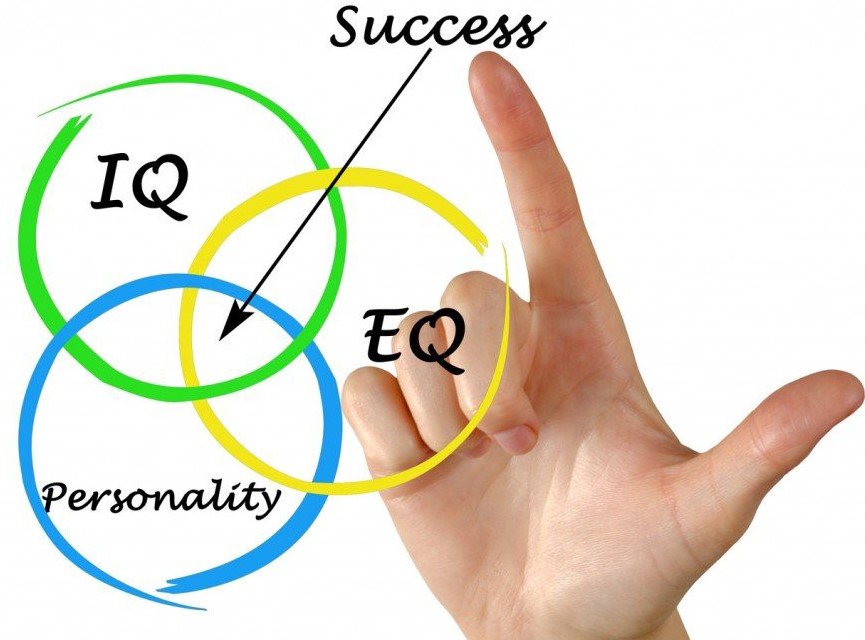
When emotional intelligence (EQ) first appeared to the masses, it served as the missing link in a peculiar finding: people with average IQs outperform those with the highest IQs 70% of the time. That’s right success is founded on EQ not IQ and personality which we may be mistaken for thinking.
Decades of research now point to emotional intelligence as being the critical factor that sets star performers apart from the rest of the pack. The connection is so strong that 90% of top performers have high emotional intelligence.
“No doubt emotional intelligence is more rare than book smarts, but my experience says it is actually more important in the making of a leader. You just can’t ignore it.”
Jack Welch former CEO of General Electric
1. You get stressed easily
When you hold onto your feelings, they quickly build into the uncomfortable sensations of tension, stress, and anxiety. Unaddressed emotions strain the mind and body. Your emotional intelligence skills help make stress more manageable by enabling you to spot and tackle tough situations before things escalate.
People who fail to use their emotional intelligence skills are more likely to turn to other, less effective means of managing their mood. They are twice as likely to experience anxiety, depression, substance abuse, and even thoughts of suicide.
2. You have difficulty asserting yourself
People with high EQs balance good manners, empathy, and kindness with the ability to assert themselves and establish boundaries. This tactful combination is ideal for handling conflict. When most people are crossed, they default to passive or aggressive behavior. Emotionally intelligent people remain balanced and assertive by steering themselves away from unfiltered emotional reactions. This enables them to neutralize difficult and toxic people without creating enemies.
3. You have a limited emotional vocabulary
All people experience emotions, but it is a select few who can accurately identify them as they occur. Research shows that only 36% of people can do this, which is problematic because unlabeled emotions often go misunderstood, which leads to irrational choices and counterproductive actions. People with high EQs master their emotions because they understand them, and they use an extensive vocabulary of feelings to do so. While many people might describe themselves as simply feeling “bad,” emotionally intelligent people can pinpoint whether they feel “irritable,” “frustrated,” “downtrodden,” or “anxious.” The more specific your word choice, the better insight you have into exactly how you are feeling, what caused it, and what you should do about it.
4. You make assumptions quickly and defend them vehemently
People who lack EQ form an opinion quickly and then succumb to confirmation bias, meaning they gather evidence that supports their opinion and ignore any evidence to the contrary. More often than not, they argue, ad nauseam, to support it. This is especially dangerous for leaders, as their under-thought-out ideas become the entire team’s strategy. Emotionally intelligent people let their thoughts marinate, because they know that initial reactions are driven by emotions. They give their thoughts time to develop and consider the possible consequences and counter-arguments. Then, they communicate their developed idea in the most effective way possible, taking into account the needs and opinions of their audience.
5. You hold grudges
The negative emotions that come with holding on to a grudge are actually a stress response. Just thinking about the event sends your body into fight-or-flight mode, a survival mechanism that forces you to stand up and fight or run for the hills when faced with a threat. When a threat is imminent, this reaction is essential to your survival, but when a threat is ancient history, holding on to that stress wreaks havoc on your body and can have devastating health consequences over time. In fact, researchers at Emory University have shown that holding on to stress contributes to high blood pressure and heart disease. Holding on to a grudge means you’re holding on to stress, and emotionally intelligent people know to avoid this at all costs. Letting go of a grudge not only makes you feel better now but can also improve your health.
6. You don’t let go of mistakes
Emotionally intelligent people distance themselves from their mistakes, but they do so without forgetting them. By keeping their mistakes at a safe distance, yet still handy enough to refer to, they are able to adapt and adjust for future success. It takes refined self-awareness to walk this tightrope between dwelling and remembering. Dwelling too long on your mistakes makes you anxious and gun shy, while forgetting about them completely makes you bound to repeat them. The key to balance lies in your ability to transform failures into nuggets of improvement. This creates the tendency to get right back up every time you fall down.
7. You often feel misunderstood
When you lack emotional intelligence, it’s hard to understand how you come across to others. You feel misunderstood because you don’t deliver your message in a way that people can understand. Even with practice, emotionally intelligent people know that they don’t communicate every idea perfectly. They catch on when people don’t understand what they are saying, adjust their approach, and re-communicate their idea in a way that can be understood.
8. You don’t know your triggers
Everyone has triggers—situations and people that push their buttons and cause them to act impulsively. Emotionally intelligent people study their triggers and use this knowledge to sidestep situations and people before they get the best of them.
9. You don’t get angry
Emotional intelligence is not about being nice; it’s about managing your emotions to achieve the best possible outcomes. Sometimes this means showing people that you’re upset, sad, or frustrated. Constantly masking your emotions with happiness and positivity isn’t genuine or productive. Emotionally intelligent people employ negative and positive emotions intentionally in the appropriate situations.
10. You blame other people for how they make you feel
Emotions come from within. It’s tempting to attribute how you feel to the actions of others, but you must take responsibility for your emotions. No one can make you feel anything that you don’t want to. Thinking otherwise only holds you back.
To sum up:
Unlike your IQ, your EQ is highly malleable. As you train your brain by repeatedly practicing new emotionally intelligent behaviours, it builds the pathways needed to make them into habits. As your brain reinforces the use of these new behaviours, the connections supporting old, destructive behaviours die off. Before long, you begin responding to your surroundings with emotional intelligence without even having to think about it.
I have put together a team presentaion on this very topic if you would like to take your team through this programme I would love to tell you more about it. Hit me up for a chat about it here.
Ref: tallentsmarteq.com